Spoiler warning: This article reveals major plot points, including the ending of Monster: The Lizzie Borden Story. Stop here if you have not finished the season.
Monster: The Lizzie Borden Story ends the way history did: Lizzie Borden is acquitted, walking free after a jury finds her not guilty of murdering her father and stepmother. But the season closes on a pointed fiction of its own — it shows Lizzie and the family maid, Bridget “Maggie” Sullivan, carrying out the killings together — and then leaps forward a century to Aileen Wuornos, tying two very different American women into one story.
All eight episodes landed on Netflix on September 17, 2026, so the whole arc is available at once. Here is what the finale actually shows, how it splits from the historical record, and what that last-act time jump is doing.
Is Lizzie Borden found guilty?
No. In keeping with the real 1893 trial, the jury acquits Lizzie of the axe murders of Andrew and Abby Borden. The prosecution cannot place the crime in her hands beyond a reasonable doubt, and she is legally cleared. That verdict is the historical anchor the season is built around, and creators Ryan Murphy and Ian Brennan do not rewrite it.
What the show does is separate the legal outcome from the moral one. The court says not guilty; the series, in its dramatized version of events, has already shown the audience something the jury never got to see.
The fictional twist: Lizzie did not act alone
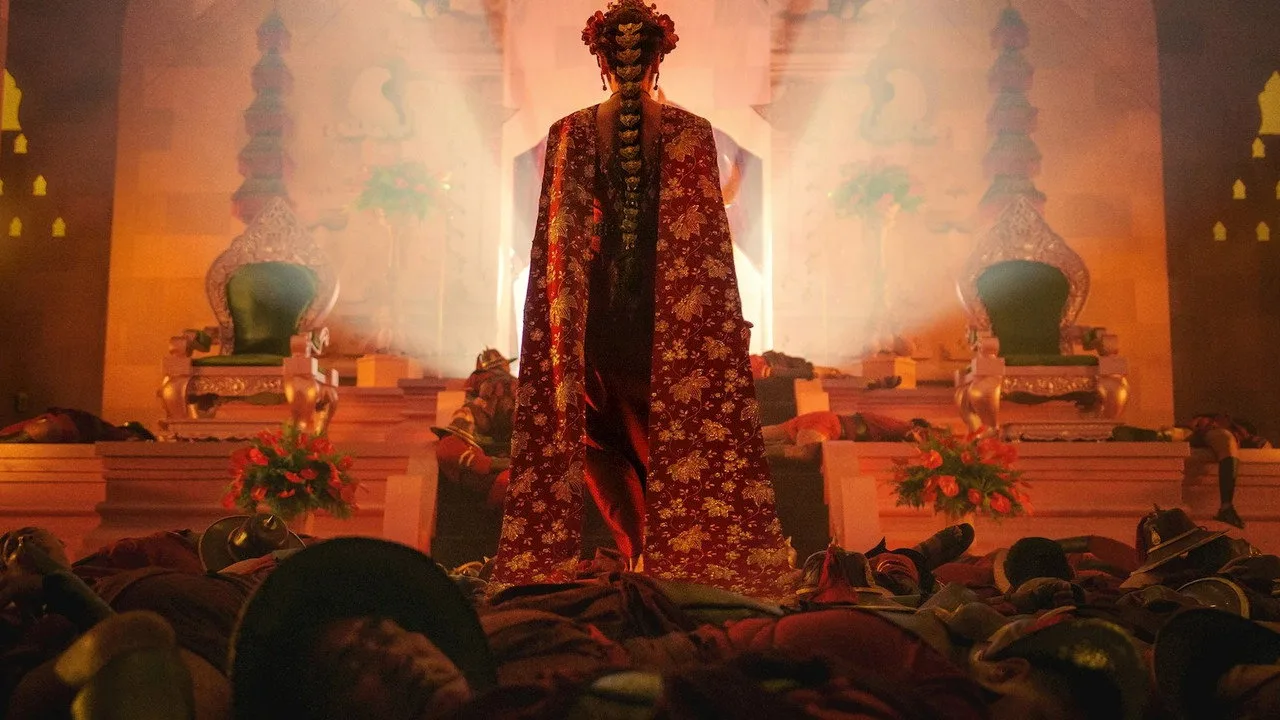
Within the world of the series, the murders are not left as an open question. Monster stages the killings as a shared act between Lizzie and Maggie, the Bordens’ live-in maid, binding the two women together through the crime and its aftermath. It is the boldest liberty the season takes, because the real case has never been solved and no accomplice was ever established.
This is where viewers should keep the show and the historical record apart. In reality, the deaths of Andrew and Abby Borden remain officially unsolved, Lizzie was never convicted, and no one else was charged. The series offers a dramatized answer, not a documented one — it is Murphy and Brennan’s interpretation, presented for effect rather than as fact.
What happens to Lizzie after the trial
Freedom does not mean escape. After the acquittal, Lizzie and her sister Emma inherit their father’s estate and leave the family home, buying a large house in Fall River, Massachusetts that Lizzie names Maplecroft. She begins going by “Lizbeth,” a small, deliberate attempt to shed the name the whole country now associates with an axe.
It does not work. The town keeps its distance, old friendships fall away, and the people closest to her thin out over the years — including Emma, the sister who stood beside her through the trial and eventually leaves. Lizzie wins her independence and her money, and spends the rest of her life inside a reputation she can never fully outrun.
The Aileen Wuornos connection, explained
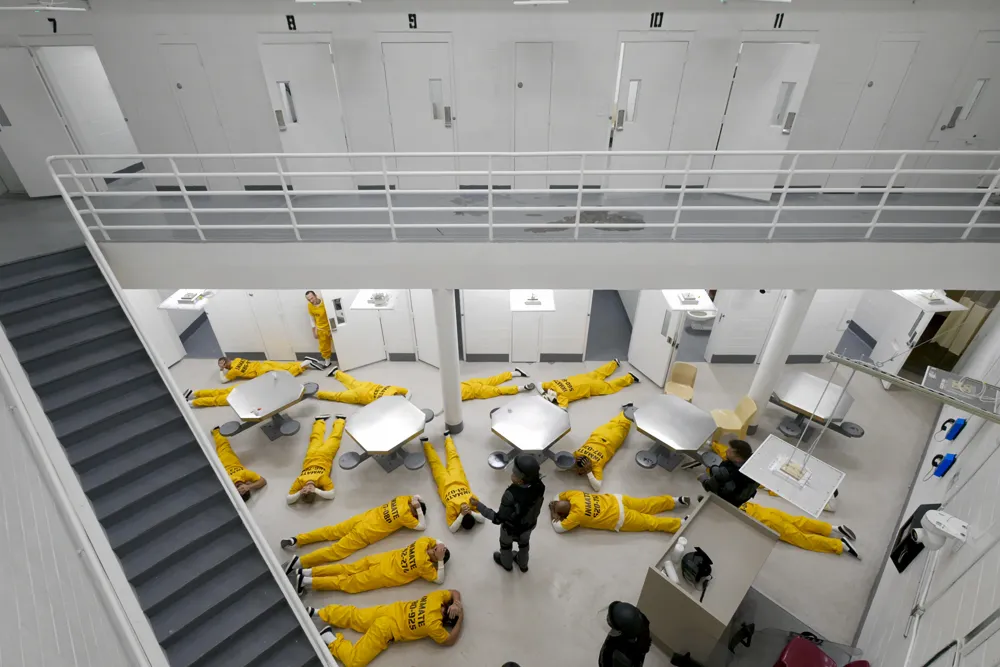
The finale’s biggest swing is a jump forward of roughly a hundred years to Aileen Wuornos, played by Sarah Paulson. Wuornos, the Florida drifter later convicted of a series of killings, becomes fascinated by Lizzie Borden — so much so that she stays at the old Borden house, now operating as a bed and breakfast, and finds a strange kinship in the story of a woman accused, judged, and defined by violence.
The link is also a wink at the anthology’s own history: Wuornos was the subject of the 2003 film Monster, the movie that won Charlize Theron an Oscar and gave this Netflix franchise its name. By threading her into Lizzie’s ending, the season frames both women as products of the way America watches, mythologizes, and never quite lets go of its most notorious accused killers.
Who is in the cast?
Ella Beatty stars as Lizzie Borden, with Charlie Hunnam as her father, Andrew, and Rebecca Hall as her stepmother, Abby. Sarah Paulson appears as Aileen Wuornos, alongside a supporting cast that includes Vicky Krieps, Jessica Barden, Joey Pollari, and Billie Lourd. It is the fourth chapter of the Monster anthology, after the seasons on Jeffrey Dahmer, the Menendez brothers, and Ed Gein — and the first centered on a woman who was acquitted.
Frequently asked questions
Did Lizzie Borden really kill her parents?
Historically, it was never proven. Lizzie was acquitted in 1893, and the murders remain officially unsolved. The series dramatizes a version in which she and the maid did it together, but that is the show’s fiction, not established fact.
How many episodes are in Monster: The Lizzie Borden Story?
Eight. All of them released together on Netflix on September 17, 2026.
Why is Aileen Wuornos in a show about Lizzie Borden?
The finale jumps ahead about a century to connect the two women thematically. It also nods to the 2003 film Monster, about Wuornos, which is where the anthology’s name comes from.
Is the season based on a true story?
It is inspired by the real 1892 Borden murders in Fall River, Massachusetts, and the 1893 trial, but it takes significant dramatic liberties, especially in how it resolves who committed the killings.
Where can I watch it in the US?
All eight episodes are streaming on Netflix in the United States now.
Watch the official trailer for Monster: The Lizzie Borden Story:
An official scene from the season, “Lizzie Confronts Her Father”: